Every city has a story it tells about itself. Lismore's story has got harder and more honest in recent years — and perhaps, because of that, more worth telling.
This is a city that was hit by the worst floods in living memory in February 2022. That flooded again. That watched its CBD go underwater, watched thousands of families lose their homes, watched a whole community navigate a kind of collective grief that doesn't have easy edges or clean endings. And that, four years on, is still here. Still rebuilding. Still choosing itself.
That is not nothing. In fact, for families raising children here, it is quite a lot.
What Makes a Good Place to Raise Children
There's research on this. Not just in early childhood — in broader social science. The conditions that most strongly predict healthy child development include:
- Community cohesion: the felt sense that people look out for each other
- Access to nature: green space, outdoor time, connection to the natural world
- Stability and belonging: a sense of place and of being known
- Cultural richness: arts, diversity, stories, celebration
- Proximity to services: health, education, allied health
Lismore scores genuinely well on most of these measures; not despite its challenges, but sometimes because of them.
Community: The Thing Lismore Does Better Than Most Places
The 2022 flood response is already legendary in disaster management circles. Within hours of the floodwaters rising to catastrophic levels, an army of volunteers — in tinnies, kayaks, and anything that floated — was pulling neighbours off rooftops. Without waiting for official permission. Without organisational structure. Just doing it.
That's not a one-off. That's a culture.
Lismore has always been the kind of city where people show up. Where the independent bookshop has survived because locals choose it. Where community events actually draw community. Where the Farmers Market is, genuinely, a place people go to see each other as much as to buy tomatoes.
For children growing up here, this community-mindedness is absorbed as a value. They grow up watching adults who organise and show up and build things together. They grow up understanding that a community is something you participate in, not just something you consume.
Children who grow up with a strong sense of belonging — who know they are part of something larger than their immediate family — carry that social confidence into every relationship and context ahead.
Nature: An Extraordinary Place to Grow Up Outdoors
The Northern Rivers region is defined by its natural environment. Subtropical rainforest. Waterfalls. Flying foxes. More bird species than most countries. The kind of biodiversity that makes ecologists genuinely excited about Lismore's natural corridors.
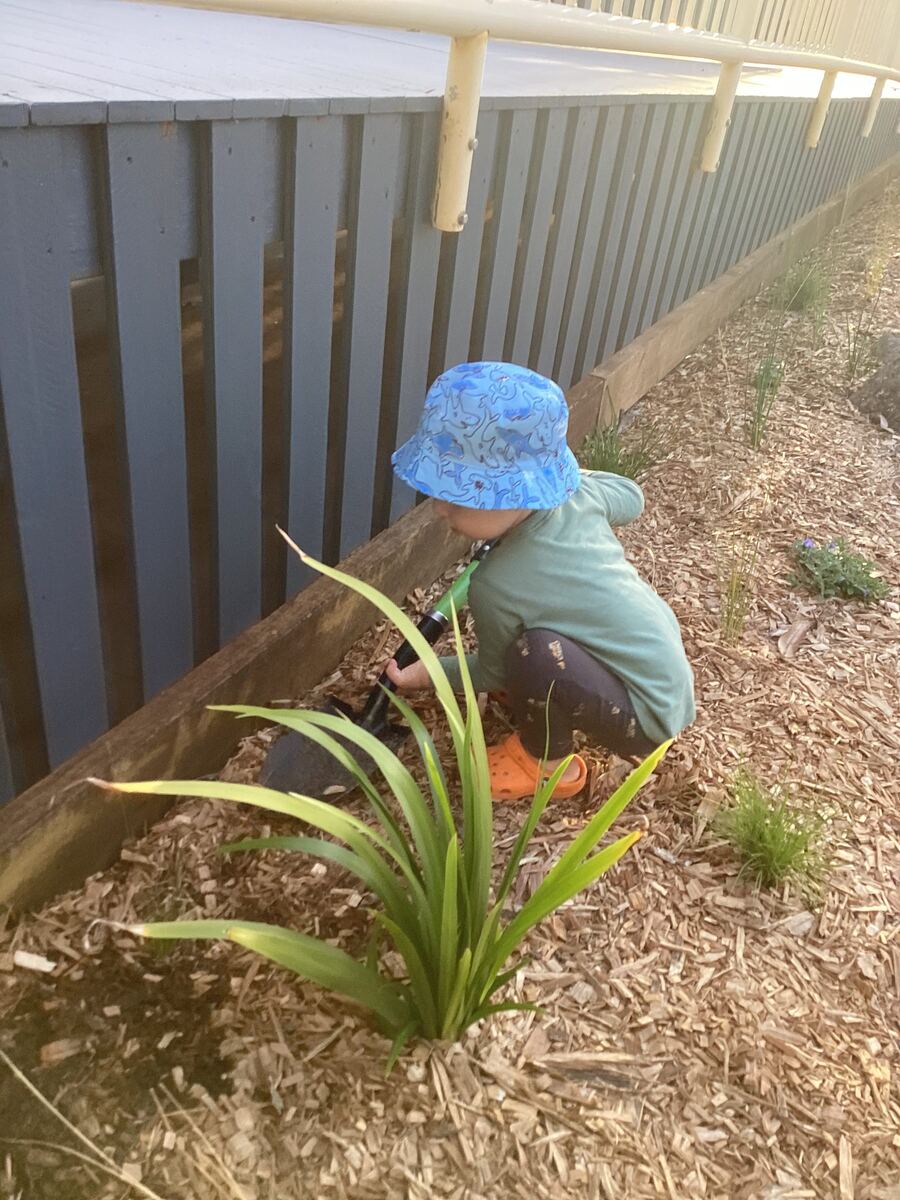
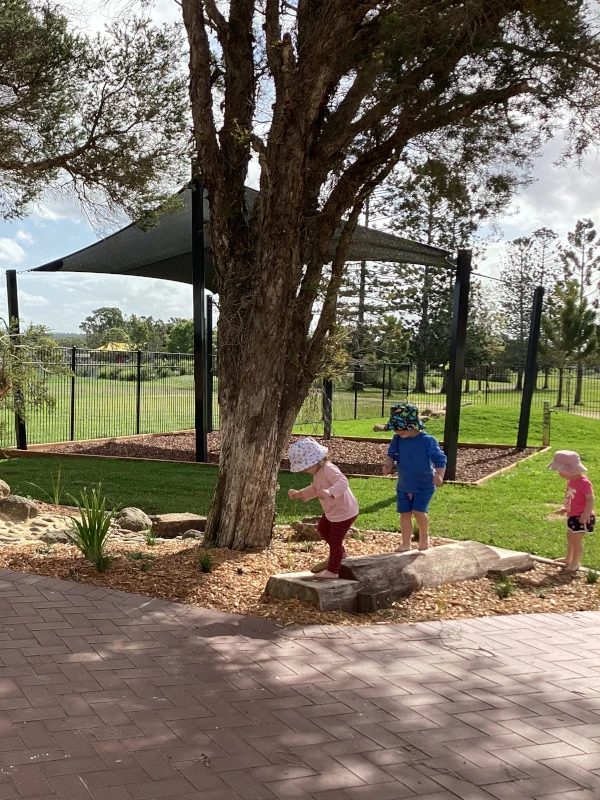
Children who grow up here have an outdoor classroom available every day. The Lismore Rainforest Botanic Gardens, Nightcap National Park, Tucki Tucki Nature Reserve, Lake Ainsworth, the Richmond River foreshore — these are not distant weekend destinations. They're the texture of local life.
Research consistently shows that children who grow up with regular access to nature develop better physical health, stronger mental health, and greater emotional resilience than those who don't. Lismore families are, often without knowing it, giving their children one of the most consistently cited protective factors in child development research.
Arts, Culture, and the Character of the Northern Rivers
The Northern Rivers has a disproportionately vibrant arts community for its size. Music, visual art, community theatre, festivals, makers and growers and storytellers — the creative culture of this region is real, and children grow up in it. They see adults making things and sharing things and valuing things that can't be easily monetised.
There's a phrase sometimes used about this part of the world: "tin and timber soul." The particular character of Northern Rivers places — independent, creative, community-minded, proudly itself — is something you absorb by living here.
For children, growing up in a place with genuine character is different from growing up in a place that doesn't quite know what it is. Lismore knows what it is. Even as it rebuilds and renews, it knows.
For Families New to Lismore
A specific word for families who've arrived here recently — whether for SCU, for housing affordability, for lifestyle, or because the flood buyback programme created opportunities.
Lismore can feel, in the first months, like a city with a lot of stories you weren't there for. The connections run deep. The community has been through a lot together, and sometimes it shows in the way people talk about the past in shorthand that outsiders can't follow.
But Lismore is also, genuinely, a welcoming city. New families are integrating into community through markets, playgroups, childcare, and the organic social infrastructure of a small city where people make eye contact and say hello.
Childcare — particularly community-minded early childhood services — is often where new families find their first real connection in a place like this. The parent you talk to at drop-off becomes the friend you call when something comes up. The educators who know your child help you feel, gradually, like you belong.
This region is actively choosing its future. New families who choose Lismore are part of that story.
At Explorers
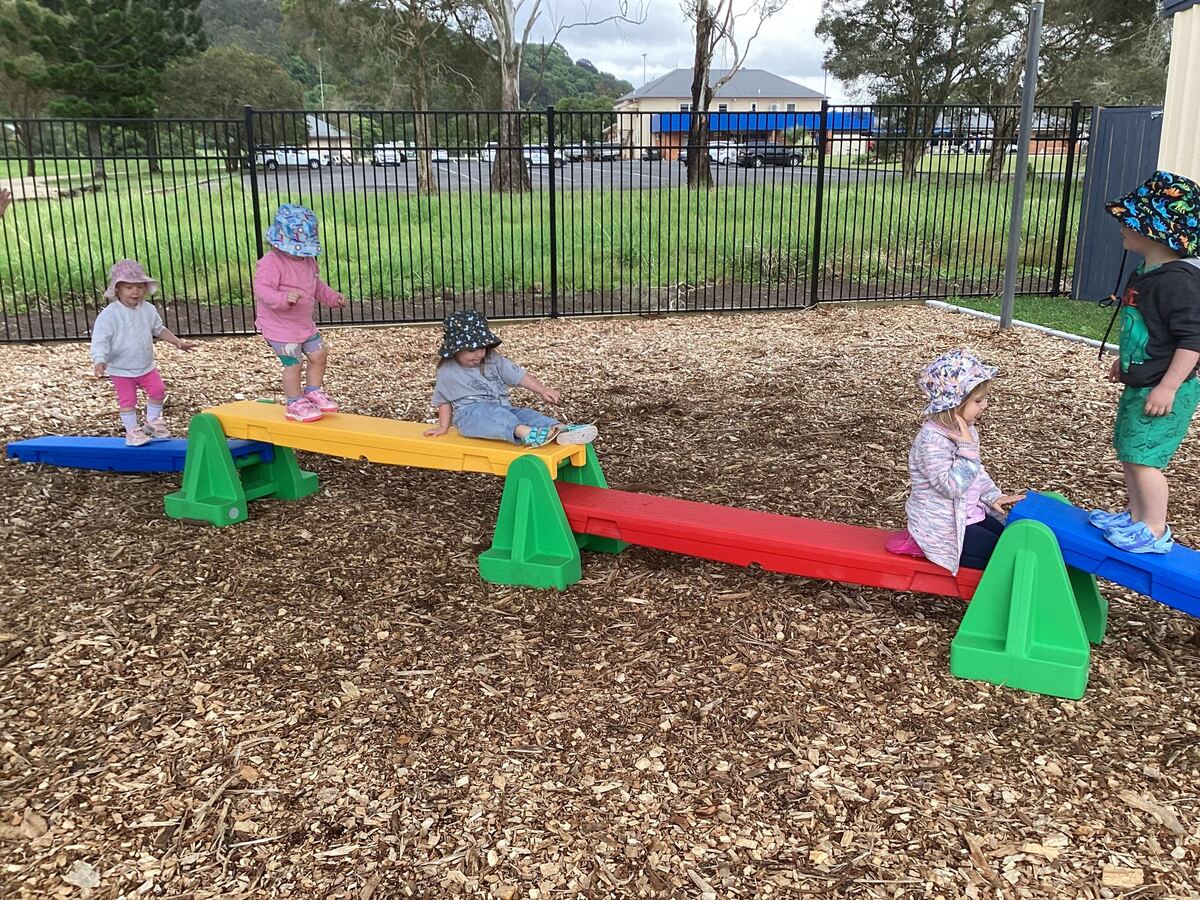
At our South Lismore service, we are part of this community — not just located in it. We care about Lismore. We're invested in what this city is becoming.
If you're raising children in Lismore — or thinking about it — we'd love to be part of your village. Book a tour or call us on (02) 6621 5037.